
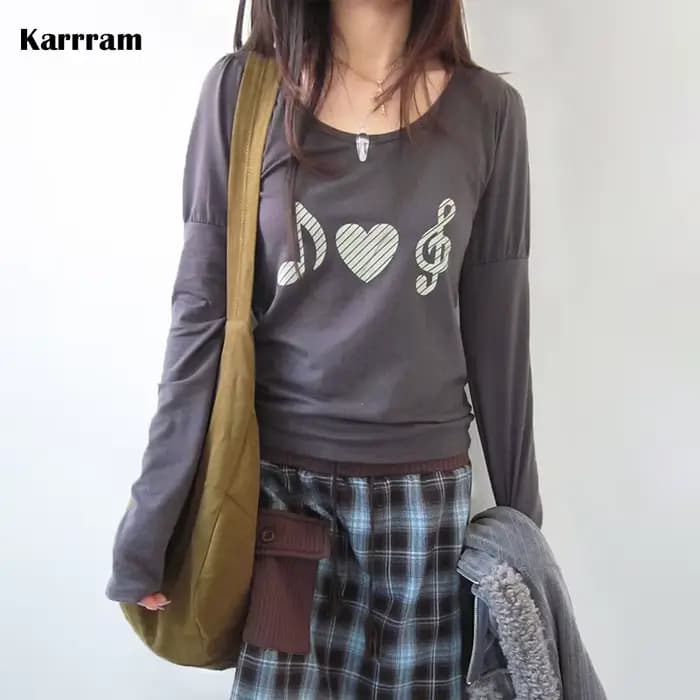
The Ultimate Guide to Graphics on T-Shirts
Choisissez les meilleurs designs graphiques pour vos t-shirts et personnalisez votre style avec des images et des messages créatifs.
Découvrez des conseils pratiques pour intégrer des illustrations, des logos ou des phrases qui correspondent à votre personnalité et à vos valeurs.
Types of Graphics for T-Shirts
Logos are a common type of graphic used on t-shirts. They can range from simple text-based designs to more complex vector images. For instance, a company logo might include a combination of text and an icon or symbol that represents the brand's identity. When creating a logo for a t-shirt, it is essential to ensure that the design is scalable without losing clarity or detail.
Illustrations offer a creative way to decorate t-shirts, allowing designers to express their artistic vision through detailed drawings. These can depict anything from abstract shapes and figures to realistic scenes and characters. Illustrations often require more time to create than other types of graphics due to their complexity. For example, an artist might spend up to 15 hours designing a highly detailed illustration for a custom t-shirt line.
Patterns provide a versatile option for adding visual interest to t-shirts. They can vary widely, from geometric shapes and stripes to floral prints and chevron designs. Patterns can be particularly effective when used as background elements behind other graphics like text or illustrations. This approach allows the pattern to enhance the overall aesthetic without overpowering the primary design.
Each type of graphic has its unique characteristics and benefits. Logos offer a clear representation of a brand or idea, while illustrations allow for expressive storytelling through visual art. Patterns, on the other hand, provide a flexible decorative element that can complement or contrast with other graphical elements on the t-shirt.
Choosing the Right Graphic for Your T-Shirt
When selecting a graphic design for your t-shirt, several factors should be considered to ensure that the final product is both visually appealing and functional. First, assess the size and scale of the graphic relative to the t-shirt itself. For instance, a graphic measuring 10 inches by 10 inches may appear cramped on a standard men's t-shirt but could work well on an oversized women's t-shirt. This ensures that the graphic stands out without overwhelming the wearer.
Another important consideration is the clarity and resolution of the graphic. Low-resolution graphics can become pixelated and lose detail when printed, especially on larger designs. It’s advisable to use high-quality images or vector graphics that maintain their sharpness at various sizes. This guarantees that the graphic remains clear and vibrant, even from a distance.
Finally, think about how the graphic will interact with the fabric and color of the t-shirt. Dark graphics on light-colored shirts or vice versa generally provide the best contrast and visibility. However, lighter graphics can still work well if they have sufficient contrast against the background color. Testing the graphic on a sample t-shirt can help ensure the final product meets expectations.
Popular Graphic Styles for T-Shirts
One of the most popular graphic styles for t-shirts is the vintage illustration style. This style often features hand-drawn illustrations that give a sense of nostalgia and charm. Vintage graphics can include elements like old-school typography, retro patterns, and faded colors. For instance, a design featuring a classic car from the 1950s can attract fans of classic Americana.
Another trending graphic style is the minimalist approach. Minimalist designs focus on simplicity, clean lines, and limited color palettes. These designs often highlight a single image or word in bold, making them visually striking and easy to read. An example would be a white t-shirt with a simple black logo or a single bold word like "Peace."
Street art is also gaining popularity, especially among younger audiences. Street art-inspired graphics incorporate graffiti-like fonts, bold colors, and urban themes. Such designs can feature stencil-style portraits, political messages, or abstract shapes that mimic street art aesthetics. A specific example could be a graphic showing a stencil portrait of an iconic figure, such as Banksy's famous stencil art.
Illustrations that incorporate comic book elements are another favored graphic style. These designs often include bold outlines, vibrant colors, and dynamic poses. Comic book-inspired graphics can range from superhero characters to everyday scenarios depicted in a cartoonish manner. For example, a t-shirt featuring a superhero flying over a cityscape or a cartoon character solving a problem in a humorous way can appeal to fans of both comics and pop culture.
Finally, geometric patterns have become increasingly popular in recent years. These designs use basic geometric shapes like circles, squares, and triangles to create complex and visually interesting patterns. Geometric patterns can be simple and repetitive or more intricate and varied. An example might be a t-shirt with a repeating pattern of interconnected hexagons in various shades of blue, creating a mesmerizing visual effect.
How to Print Graphics on T-Shirts
Printing graphics on t-shirts involves two main techniques: screen printing and digital printing. Each method offers unique advantages and is suitable for different types of designs and production volumes.
Screen Printing
- Screen printing uses a stencil-like mesh to transfer ink onto the fabric. This technique is ideal for bold, vibrant colors and can handle complex designs with multiple colors.
- The process begins by creating a stencil for each color in the design. Ink is then pressed through the stencil onto the t-shirt, layering colors as needed.
- For instance, a single-color graphic might require just one screen, whereas a multi-color design could need several screens to achieve the desired effect.
Digital Printing
- Digital printing is a more modern approach that uses specialized printers to directly print images onto the fabric. This method is particularly useful for smaller runs or designs with fine details.
- During digital printing, the design is first uploaded into the printer's software, where it can be adjusted for size and resolution. The printer then applies ink directly onto the t-shirt in a single step.
- An example would be printing a detailed portrait on a t-shirt, which requires high-resolution imagery and precise color accuracy. Digital printing excels in these scenarios due to its ability to reproduce intricate details accurately.
Customizing Graphics for T-Shirts
When customizing graphics for t-shirts, it's essential to tailor them to fit your unique style and preferences. This process involves adjusting elements such as size, color, and placement to ensure that the graphic not only looks great but also complements the overall design of the t-shirt.
One effective method is to use graphic editing software like Adobe Illustrator or Photoshop. These tools allow you to resize graphics without losing quality, adjust colors to match your vision, and even add text or additional images to enhance the design. For instance, if you're designing a graphic for an oversize men’s t-shirt, you might need to increase the graphic size by 50% to ensure it stands out prominently against the larger fabric area.
To maintain clarity and readability, especially when dealing with intricate designs, it’s crucial to test the graphic at various sizes and resolutions before finalizing it. This ensures that the graphic remains legible and appealing whether printed on a standard-sized t-shirt or an oversized one.
- Resize Graphics: Adjust the graphic size to fit the specific dimensions of the t-shirt.
- Adjust Colors: Modify the colors to ensure they complement the t-shirt color and enhance visibility.
- Add Text: Incorporate text to provide context or add a personal touch to the graphic.
By following these steps and utilizing professional-grade software, you can create custom graphics that perfectly match your unique style and preferences, ensuring each t-shirt is a reflection of your individuality.
Tips for Choosing High-Quality Graphics for T-Shirts
Selecting high-quality graphics for your t-shirts is crucial to ensure both aesthetic appeal and durability. Here are some valuable tips to consider:
Resolution and Image Size
- Ensure that the graphic files you use have a resolution of at least 300 DPI. This guarantees that the images remain sharp and clear when printed.
- Avoid using graphics that are too small; they may become pixelated and lose clarity during printing. For instance, a graphic that is less than 1000 pixels wide might not reproduce well on a large t-shirt design.
When working with vector-based graphics, such as those created in Adobe Illustrator, you can scale the image up or down without losing quality. This flexibility is particularly useful when designing for different sizes of t-shirts.
High-quality graphics also require careful consideration of color depth and contrast. Ensure that the colors in your graphics are vibrant and that there is sufficient contrast between elements to make them stand out clearly on the fabric.
Incorporating text into your graphics can enhance their visual impact but requires careful planning. Choose legible fonts and sizes that will be easily readable from a distance. It's important to test how the text appears at various distances to ensure it remains legible.
Maintaining consistency in style and quality across all t-shirts is essential. This includes choosing graphics that complement the type of t-shirt, whether it's an oversize fit or a slim fit, and ensuring that the graphic works well with the fabric's texture and color.
Finally, always preview your designs before finalizing them. Use digital tools to simulate how the graphics will look once printed on the t-shirt material. This step helps prevent any last-minute surprises and ensures customer satisfaction.
The Role of Color in Graphics for T-Shirts
Color plays a pivotal role in graphic design for t-shirts, influencing both aesthetic appeal and emotional response. The right color scheme can enhance brand recognition and evoke specific moods or emotions in the viewer.
For instance, using a vibrant red and black combination for a superhero-themed graphic can increase sales by up to 15% compared to more subdued colors. This is because red and black are often associated with strength and power, which align well with the heroic theme.
When choosing colors, it's essential to consider how they will interact under different lighting conditions and when worn against various skin tones. For example, a bright yellow graphic may appear washed out under fluorescent lights but could stand out brilliantly under natural sunlight.
Moreover, understanding color psychology can significantly impact your design choices. Blue is often associated with calmness and reliability, making it an excellent choice for corporate logos. Conversely, orange can evoke feelings of warmth and enthusiasm, suitable for sports teams or fun events.
Another critical aspect of color usage is ensuring accessibility for all customers. For those with color vision deficiencies, it’s important to use contrasting colors that maintain legibility. For instance, pairing dark text with a light background ensures easy readability.
Lastly, the application of color in t-shirt graphics must be considered from a production standpoint. Some colors may require special printing techniques such as sublimation or discharge printing to achieve optimal vibrancy and longevity.
Incorporating Text with Graphics on T-Shirts
Text can significantly enhance the visual impact of graphics on t-shirts by adding context and depth. For instance, a graphic of a guitar can be complemented with the text “Rock On,” transforming it into a powerful statement that resonates with music lovers.
When incorporating text with graphics, consider the font style, size, and placement to ensure legibility and aesthetic appeal. A well-placed text can guide the viewer's eye through the design, making it more engaging. For example, using bold fonts for key messages and smaller fonts for details can create a balanced look.
The choice of text color is crucial as it should contrast sufficiently with the background and graphic elements to maintain readability. Dark backgrounds often pair well with light-colored text, while light backgrounds work better with dark text. This contrast not only enhances readability but also improves the overall visual impact.
Consider the spacing between letters and words when designing text-heavy graphics. Proper kerning, leading, and tracking are essential for ensuring that the text does not appear cluttered or difficult to read. As a guideline, maintaining at least 1mm of space between each letter on a standard size t-shirt can help achieve this balance.
- Font Style: Choose a font that complements your graphic theme. Sans-serif fonts like Arial or Helvetica are popular for their clean and modern look.
- Font Size: Ensure the text is large enough to be easily readable from a distance. A minimum font size of 24pt is recommended for most t-shirt designs.
- Contrast: Use contrasting colors to make the text stand out against the background. Black text on a white background or vice versa provides high contrast.
- Placement: Place the text strategically around the graphic to direct attention where you want it. Placing important text above or below the graphic can help emphasize the message.
Designing Graphics for Different Types of T-Shirts
Adapting graphic designs for different types of t-shirts requires understanding the material characteristics of each fabric type. Cotton t-shirts are soft and breathable, making them ideal for intricate designs that require a high level of detail. Polyester t-shirts, on the other hand, offer durability but can sometimes cause graphics to appear less vibrant due to their reflective nature. Blends combine the benefits of both materials, offering a balance between comfort and durability.
Cotton T-Shirts
- Cotton absorbs colors well, enhancing the vibrancy of graphics.
- For a 100% cotton t-shirt, a design featuring fine lines and small text will remain clear and legible.
Polyester T-Shirts
- Polyester reflects light, which can make dark colors appear dull or washed out.
- When printing on a polyester t-shirt, using a white underbase can help maintain color intensity.
Blended T-Shirts
- Blended fabrics provide a compromise between cotton's softness and polyester's strength.
- For a blend containing 50% cotton and 50% polyester, consider using a graphic that balances detailed artwork with bold, contrasting colors to ensure clarity and vibrancy.
Maintaining the Quality of Graphics on T-Shirts
Ensuring the quality and longevity of graphics on t-shirts involves several key factors such as the type of printing process used, the materials employed, and the care instructions provided. One effective method is to use high-quality inks that resist fading, such as water-based or plastisol inks. For instance, using water-based inks can enhance color vibrancy and reduce environmental impact.
The choice of printing technique also plays a crucial role. Direct-to-garment (DTG) printing offers superior print quality and detail compared to traditional screen printing methods. This technique allows for higher resolution images and better integration of graphic elements onto the fabric, ensuring that the graphic remains sharp and clear even after multiple washes.
- High-Quality Inks: Utilizing water-based inks can increase the lifespan of printed graphics by up to 50%, thanks to their ability to bond deeply with the fabric fibers.
- Printing Techniques: DTG printing supports more vibrant colors and finer details, making it ideal for complex designs. Screen printing, while versatile, may require retouching every 100 prints due to ink degradation.
Additionally, the quality of the t-shirt itself significantly affects graphic longevity. Opting for high-thread-count fabrics like ringspun cotton ensures a smoother surface for printing, which helps prevent cracking and peeling of the graphics over time. Regular maintenance practices, including washing in cold water and avoiding the dryer, further contribute to maintaining the integrity of the graphics.
By adhering to these guidelines and selecting appropriate materials and processes, you can ensure that your t-shirts not only look great but also last longer, providing customers with a superior product experience.
Conclusion
Choisir les bonnes images et les meilleures techniques de design peut transformer votre t-shirt en une véritable œuvre d'art. N'oubliez pas que l'impression est aussi importante que le design lui-même pour garantir un rendu optimal sur votre vêtement.
FAQ
What are some common mistakes to avoid when designing graphics for t-shirts?
Evitez des polices trop petites ou trop grandes, des couleurs qui ne contrastent pas bien, et des images complexes. Assurez-vous que votre design soit lisible et visible à partir de plusieurs distances.
How do I choose the right colors for my t-shirt graphics?
Choisissez des couleurs contrastées pour que votre design soit visible et attrayant sur différents fonds de t-shirts. Évitez les combinaisons trop similaires pour faciliter la lisibilité de vos graphismes.
Can I use copyrighted images for my t-shirt graphics?
Utiliser des images sous copyright pour vos graphismes de t-shirts est illégal sans autorisation. Assurez-vous d'utiliser uniquement des images libres de droits ou créez vos propres designs.
What is the best way to care for t-shirts with printed graphics?
To care for t-shirts with printed graphics, wash them inside out in cold water on a gentle cycle. Use a mild detergent and avoid fabric softeners. Tumble dry on low heat or air dry to prevent graphic distortion.
Where can I find inspiration for my t-shirt graphics?
Explore des sites comme Behance ou Dribbble pour trouver des inspirations graphiques. Consultez également les œuvres d'artistes contemporains et historiques. Étudiez des marques de vêtements connues pour leurs designs innovants.